
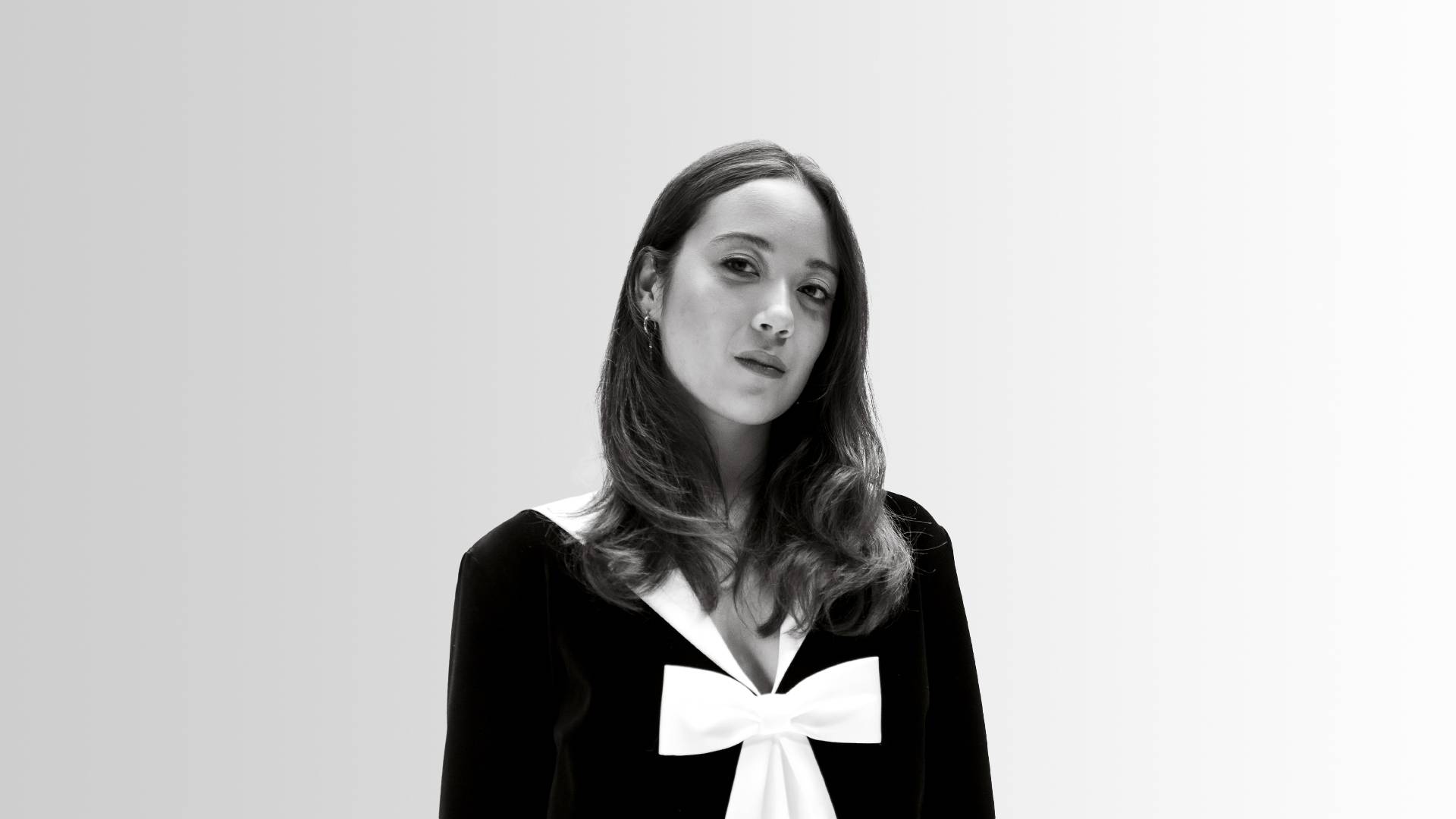
Ilaiyaraaja
-
Chennai, Indiahometown
- World/Reggaegenre
- 1976started
- Biofull story
Ilaiyaraaja (born Gnanadesikan (Daniel Rasaiah as in school records) on 2 June 1943) is an Indian film composer, singer, and lyricist, mainly in Tamil film Industry and other Indian film industries like Telugu, Malayalam, Kannada, Hindi and Marathi.
He is regarded as one of the finest music composers in India . Ilaiyaraaja is also an instrumentalist, conductor, singer, and a songwriter. To date, he has composed over 4500 songs and provided film scores for more than 950 Indian films in various languages in a career spanning more than 30 years, particularly being acclaimed for his background scoring for Indian films. His songs and background score played a very crucial role in the success of many films. He remains one of the most popular composers to have emerged from India.
Ilaiyaraaja has been a prominent composer of film music in South Indian cinema since the late 1970s. His works are mainly in Tamil, but has also scored music for numerous films in Telugu, Malayalam, Kannada, Hindi and one in Marathi. He integrated folk lyricism (in Tamil) and introduced broader Western musical sensibilities into the South Indian musical mainstream.
A gold medalist in classical guitar from Trinity College of Music, London, in 1993, he organised a full symphony and thus became the first Asian to compose a full symphony performed by the Royal Philharmonic Orchestra in London's Walthamstow Town Hall, which is not released yet. In 2003, according to a BBC international poll, people from 155 countries voted his composition "Rakkamma Kaiya Thattu" from the 1991 film Thalapathi fourth in the world's top 10 most popular songs of all time. He was also nominated in the Best Indian album Music Awards category at US based Just Plain Folks Music Organization, which is the largest grassroots music organization in the world, and stood third for his "Music Journey: Live in Italy".
In the 2000s, he composed a variety of non-film music, including religious and devotional songs, an oratorio, and world music, while shifting his focus to Malayalam films. He is usually referred to by the title Isaignani (English: Musical Genius), or as The Maestro. He has won four Indian National Film Awards; three for Best Music Direction and one for Best Background Score and is a recipient of the prestigious Padma Bhushan Award from the Government of India.
He also received the NTR National Award in 2004. In 2012 he received the Sangeet Natak Academi Award for his creative and experimental works in music field. In a poll conducted by CNN-IBN celebrating 100 years of Indian cinema in 2013, Ilaiyaraaja was voted the greatest music composer of India with a maximum of 49%.
Early life and family edit:
Ilaiyaraaja was born as Gnanadesikan (Daniel Rasaiah in school records) in a Christian converted Hindu Tamil family in Pannaipuram, Theni district, Tamil Nadu, India. But he a devout Hindu by practice and lives a very pious life.. When he joined the school his father changed his name as "Rajaiya" but his village people used to call him as "Raasayya". Ilaiyaraaja joined Dhanraj Master as a student to learn musical instruments and the master renamed and called him as just "Raaja". In his first movie Annakili, Tamil film producer Panchu Arunachalam added "Ilaiya" (Ilaiya means younger in Tamil language) as prefix in his name Raaja and he named as "Ilaiyaraaja" because in 1970's there was one more music director A. M. Rajah who was a popular one.Ilaiyaraaja is a devout Hindu by practice and lives a very pious life.
Ilaiyaraaja was married to Jeeva and the couple have three children--Karthik Raja, Yuvan Shankar Raja and Bhavatharini--all film composers and singers. His wife Jeeva died on 31 October 2011. Ilaiyaraaja has a brother Gangai Amaran, who is also a music director and lyricist in Tamil film industry. He has two sisters Kamalammal and Padmavathi. Padmavathi is the writer of the book Life Of Music(about his life story)
Early exposure to music edit:
Ilaiyaraaja grew up in a rural area, exposed to a range of Tamil folk music. At the age of 14, he joined a travelling musical troupe headed by his elder brother, Pavalar Varadarajan, and spent the next decade performing throughout South India. While working with the troupe, he penned his first composition, a musical adaptation of an elegy written by the Tamil poet laureate Kannadasan for Jawaharlal Nehru, India's first prime minister. In 1968, Ilaiyaraaja began a music course with Professor Dhanraj in Madras (now Chennai), which included an overview of Western classical music, compositional training in techniques such as counterpoint, and study in instrumental performance. Ilaiyaraaja specialized in classical guitar and had taken a course in it at the Trinity College of Music, London.
Session musician and film orchestrator edit:
In the 1970s in Chennai, Ilaiyaraaja played guitar in a band-for-hire, and worked as a session guitarist, keyboardist, and organist for film music composers and directors such as Salil Chowdhury from West Bengal. After being hired as the musical assistant to Kannada film composer G. K. Venkatesh, he worked on 200 film projects, mostly in the Kannada language. As G. K. Venkatesh's assistant, Ilaiyaraaja would orchestrate the melodic outlines developed by Venkatesh. During this period, Ilaiyaraaja also began writing his own scores. To hear his compositions, he would persuade Venkatesh's session musicians to play excerpts from his scores during their break times. Ilaiyaraaja would hire instruments from composer R. K. Shekhar, father of composer A. R. Rahman, who later joined Ilaiyaraaja's orchestra as a keyboardist.
Film composer edit:
In 1975, film producer Panchu Arunachalam commissioned him to compose the songs and film score for a Tamil-language film called Annakkili ('The Parrot'). For the soundtrack, Ilaiyaraaja applied the techniques of modern popular film music orchestration to Tamil folk poetry and folk song melodies, which created a fusion of Western and Tamil idioms. Ilaiyaraaja's use of Tamil music in his film scores injected new influence into the Indian film score milieu. By the mid-1980s Ilaiyaraaja was gaining increasing stature as a film composer and music director in the South Indian film industry. He has worked with Indian poets and lyricists such as Kannadasan, Vaali, Vairamuthu, O. N. V. Kurup, Sreekumaran Thampi, Veturi Sundararama Murthy, Chi. Udaya Shankar and Gulzar and is well known for his association with film makers such as Bharathiraja, K. Balachander, Mani Ratnam, Sathyan Anthikkad, Priyadarshan, Fazil, Balu Mahendra, Vamsy, K. Vishwanath and R. Balki.
Impact and musical style edit:
Ilaiyaraaja was one of the earliest Indian film composers to use Western classical music harmonies and string arrangements in Indian film music. This allowed him to craft a rich tapestry of sounds for films, and his themes and background score gained notice and appreciation among Indian film audiences. The range of expressive possibilities in Indian film music was broadened by Ilaiyaraaja's methodical approach to arranging, recording technique, and his drawing of ideas from a diversity of musical styles.
According to musicologist P. Greene, Ilaiyaraaja's "deep understanding of so many different styles of music allowed him to create syncretic pieces of music combining very different musical idioms in unified, coherent musical statements". Ilaiyaraaja has composed Indian film songs that amalgamated elements of genres such as Afro-tribal, bossa nova, dance music (e.g., disco), doo-wop, flamenco, acoustic guitar-propelled Western folk, funk, Indian classical, Indian folk/traditional, jazz, march, pathos, pop, psychedelia and rock and roll.
By virtue of this variety and his interfusion of Western, Indian folk and Carnatic elements, Ilaiyaraaja's compositions appeal to the Indian rural dweller for its rhythmic folk qualities, the Indian classical music enthusiast for the employment of Carnatic Ragas, and the urbanite for its modern, Western-music sound. Ilaiyaraaja's sense of visualization for composing music is always to match up with the storyline of the running movie and possibly by doing so, he creates the best experience for the audience to feel the emotions flavored through his musical score. He mastered this art of blending music to the narration, which very few others managed to adapt themselves over a longer time.
Although Ilaiyaraaja uses a range of complex compositional techniques, he often sketches out the basic melodic ideas for films in a very spontaneous fashion. The Indian filmmaker Mani Ratnam illustrates:
Ilayaraja would look at the scene once, and immediately start giving notes to his assistants, as a bunch of musicians, hovering around him, would collect the notes for their instrument and go to their places. When the orchestra played out the notes, they would be perfect, not just in harmony but also in timing -- the background score would commence exactly where it should and end at the exact place required. Ilayaraja is a genius, who could compose music with just one look at the scene.
Musical characteristics edit:
Ilaiyaraaja's music is characterised by the use of an orchestration technique that is a synthesis of Western and Indian instruments and musical modes. He uses electronic music technology that integrates synthesizers, electric guitars and keyboards, drum machines, rhythm boxes and MIDI with large orchestras that feature traditional instruments such as the veena, venu, nadaswaram, dholak, mridangam and tabla as well as Western lead instruments such as saxophones and flutes.
He uses catchy melodies fleshed out with a variety of chord progressions, beats and timbres. Ilaiyaraaja's songs typically have a musical form where vocal stanzas and choruses are interspersed with orchestral preludes and interludes. They often contain polyphonic melodies, where the lead vocals are interwoven with supporting melody lines sung by another voice or played by instruments./
The basslines in his songs tend to be melodically dynamic, rising and falling in a dramatic fashion. Polyrhythms are also apparent, particularly in songs with Indian folk or Carnatic influences. The melodic structure of his songs demand considerable vocal virtuosity, and have found expressive platform amongst some of India's respected vocalists and playback singers, such as S. P. Balasubrahmanyam, K. J. Yesudas, S. Janaki, K. S. Chithra, Swarnalatha, S. P. Sailaja, T. M. Soundararajan, P. Susheela, Sujatha, Malaysia Vasudevan, Asha Bhosle, Lata Mangeshkar, Hariharan, Udit Narayan, Sadhana Sargam and Shreya Ghoshal. Ilaiyaraaja has sung over 400 of his own compositions for films, and is recognisable by his stark, deep voice. He has penned the lyrics for some of his songs in Tamil and other languages. Ilaiyaraaja's film scores are known both for the dramatic and evocative melodies, and for the more subtle background music that he uses to provide texture or mood for scenes in films such as Johnny (1980), Mouna Ragam (1986), Geethanjali (1989) and Guna (1991).
Non-cinematic output edit:
Ilaiyaraaja's first two non-film albums were explorations in the fusion of Indian and Western classical music. The first, How to Name It? (1986), is dedicated to the Carnatic master Tyāgarāja and to J. S. Bach. It features a fusion of the Carnatic form and ragas with Bach partitas, fugues and Baroque musical textures. The second, Nothing But Wind (1988), was performed by flutist Hariprasad Chaurasia and a 50-piece orchestra and takes the conceptual approach suggested in the title -- that music is a natural phenomenon akin to various forms of air currents (e.g., the wind, breeze, tempest etc.).
He has composed a set of Carnatic kritis that was recorded by electric mandolinist U. Srinivas for the album Ilayaraaja's Classicals on the Mandolin (1994). Ilaiyaraaja has also composed albums of religious/devotional songs. His Guru Ramana Geetam (2004) is a cycle of prayer songs inspired by the Hindu mystic Ramana Maharshi, and his Thiruvasakam: A crossover (2005) is an oratorio of ancient Tamil poems transcribed partially in English by American lyricist Stephen Schwartz and performed by the Budapest Symphony Orchestra. Ilaiyaraaja's most recent release is a world music-oriented album called The Music Messiah (2006). Its musical concept is based against a mythological narrative. His recent release in November 2008, is Manikantan Geet Mala released by India Tales with 9 songs praising Lord Ayyappa in almost all south Indian languages.
Albums (instrumental, non-film) edit:
Year
Album
Year
Album
Year
Album
1986
How to Name It
1988
Nothing but Wind
1993
Symphonic Work in 5 movements with RPO,London, conducted by John Scott
2000
Raajavin Ramanamalai, Guru Ramana Geetam
2001
Geethanjali
2002
Amma Appa Paamalai
2003
India 24 Hours
2005
Thiruvasagam
2007
The Music Messiah
2008
Manikantan Geet Mala
2009
Namratha Ke Sagar
2010
Ramana Saranam Saranam, Baba Pugazh Maalai
2011
Amma - Short film
Notable works edit:
Ilaiyaraaja's composition "Rakkama Kaiya Thattu", sung by SPB and Swarnalatha in the movie Thalapathi (1991), was among the songs listed in a BBC World Top Ten music poll. He composed the music for Nayagan (1987), an Indian film ranked by TIME Magazine as one of the all-time 100 best movies, a number of India's official entries to the Oscars, such as Swathi Muthyam(1986),Nayagan(1987),Thevar Magan(1992), Anjali(1991), and Hey Ram (2000), and for Indian art films such as Adoor Gopalakrishnan's FIPRESCI Prize-winning Nizhalkuthu ('The Dance of Shadows') (2002). Ilaiyaraaja has composed music for events such as the 1996 Miss World beauty pageant that was held in Bangalore, India, and for a documentary called India 24 Hours (1996).
The Black Eyed Peas sampled the Ilaiyaraaja composition "Unakkum Ennakum" from Sri Raghavendra (1985), for the song "The Elephunk Theme" on Elephunk (2003). The alternative artist M.I.A. sampled "Kaatukuyilu" from the film Thalapathi (1991) for her song "Bamboo Banga" on the album Kala (2007). As well, Gonjasufi sampled "Yeh Hawa Yeh Fiza" from the movie Sadma His composition Jotheyali Jothe Jotheyali in the Kannada film Geetha directed by the national film director Shankar Nag (of Malgudi Days fame) in the year 1981 won various awards and it is still considered one of the best romantic songs ever. His songs in the Kannada films Pallavi Anupallavi which marked director Mani Rathnam's debut in the year 1983 and Nammora Mandara Hoove in the year 1996 won various awards and was critically acclaimed all over the country. His music compositions for the Hindi movie Paa (3 December 2009) has won critical acclaim in several media reviews.
Live performances edit:
Ilaiyaraaja rarely performs his music live, which may be due to the time he devotes to his composing activities. His last major live performance, the first in 25 years, was a four-hour concert held at the Jawaharlal Nehru Indoor Stadium in Chennai, India on 16 October 2005. The show was widely televised both in India and abroad, in which he played a song with just three notes (sa re ga). Less well-known was his live 2004 performance in Italy at the Teatro Comunale di Modena, an event-concert presented for the 14th edition of Angelica, Festival Internazionale Di Musica, co-produced with the L'Altro Suono Festival. He had done a few small-scale shows early in his career in Sri Lanka and Malaysia and was involved in a charity concert to raise funds for the construction of a Hindu temple in India.
A television retrospective titled Ithu Ilaiyaraja ('This is Ilaiyaraja') was produced, chronicling his career. He last performed live at the audio release function of Dhoni film and before that he performed a programme that was conducted and telecasted by Jaya TV titled Enendrum Raja ('Everlasting Raja') on 28 December 2011 at Jahawarlal Nehru Indoor Stadium, Chennai. He recently Sep 23 2012 performed live in Bangalore in National High School Grounds. On February 16, 2013, Ilayaraja made his first appearance in North America performing at the Rogers Centre in Toronto, Canada. The Toronto concert was promoted by Trinity Events for Vijay TV in India and produced by Sandy Audio Visual SAV Productions with PA+. Following his show at Toronto Ilaiyaraaja also performed at the Prudential Center Newark, New Jersey on February 23, 2013 and at the HP Pavilion at San Jose on March 01, 2013.
Partial discography edit:
Main article: http://en.wikipedia.org/wiki/Ilaiyaraaja_discography
Tamil edit:
Year
Album
Year
Album
Year
Album
1976
Annakili, Bhadrakali, Uravadum Nenjam, Palootti Valarththa Kili
1977
16 Vayathinile, Kavikkuyil, Bhuvana Oru Kelvi Kuri
1978
Sigappu Rojakkal, Aval Appadithan, Bairavi,Mullum Malarum, Priya, Kizhake Pogum Rail
1979
Annai Oru Aalayam, Kalyanaraman, Dharma Yuddham,"Nirammartha Pookal"
1980
Ullasa Paravaigal, Thai Pongal, Johnny, Nizhalgal, Murattu Kaalai, Anbukku Naan Adimai
1981
Alaigal Oivathillai, Tik Tik Tik, Ellam Inba Mayyam, Panneer Pushpangal, Meendum Kokila, Kazhugu, Raja Paarvai
1982
Moondram Pirai, Sagalakala Vallavan, Kathal Oviyam, Ninaivellam Nithya
1983
Aanandha Gummi, Thanga Magan, Thoongadhey Thambi Thoongadhey, Aayiram Nilave Vaa, Paayum Puli, Andha Sila Naatkal, Annae Annae, Kokkarakko, Mundhanai Mudichu
1984
Enakkul Oruvan, Nallavanuku Nallavan, Kai Kodukkum Kai, Anbulla Rajinikanth, Oru Kaidhiyin Diary
1985
Muthal Mariyathai, Sindhu Bhairavi, Kaakki Sattai, Sri Raghavendra, Idaya Kovil, Padikkadavan, Naan Sigappu Manithan, Uyarndha Ullam, Poove Poochudava
1986
Mouna Ragam, Punnagai Mannan, Vikram, Mr. Bharath
1987
Nayagan, Kadhal Parisu, Per Sollum Pillai
1988
Sathya, Dharmathin Thalaivan, Agni Natchathiram, Unnal Mudiyum Thambi, Naan Sonnathe Sattam
1989
Rajadhi Raja, Siva, Apoorva Sagodharargal, Vetri Vizha, Karagattakaran, Pandi Nattuthangam
1990
Athisaya Piravi, Anjali
1991
Thalapathi, Guna, Chinna Thambi, Captain Prabhakaran
1992
Mannan, Chembaruthi, Singaravelan,Nadodi Thendral,Chinna Gounder, Bharathan, Thevar Magan, Pandiyan
1993
Yejaman, Marupadiyum, Valli, Ponnumani, Kalaignan, Chinna Kannamma
1994
Mahanadhi, Sethupathi IPS, Veera
1995
Makkal Aatchi, Raasaiyya, Chinna Vaathiyaar, Nandhavana Theru, Sathi Leelavathi
1996
Karuvelam Pookkal, Poo Mani, Poovarasan
1997
Kadhalukku Mariyadhai, Raman Abdullah
1998
Anthapuram
1999
Sethu, Kaadhal Kavithai, Housefull,Time
2000
Hey Ram, Bharathi, Kaadhal Rojave, Kaakai Chiraginile, Kannukkul Nilavu
2001
Friends, Kutty
2002
Azhagi, Ivan, Enn Mana Vaanil, Ramanna, Solla Marantha Kadhai
2003
Pithamagan, Julie Ganapathi, Manasellam
2004
Virumaandi, Kamaraj
2005
Adhu Oru Kana Kaalam, Mumbai Express, Oru Naal Oru Kanavu, Karakattakari
2006
Madhu
2007
Ajantha, Maya Kannadi
2008
Dhanam, Inimey Nangathan, Uliyin Osai
2009
Naan Kadavul, Azhagar Malai,Jagan Mohini,Valmiki
2010
Nandalala
2011
Thandavakonae,Azhagarsamiyin Kuthirai, Ponnar Shankar, Mayilu
2012
Dhoni, Neethaane En Ponvasantham, Sengathu Bhoomiyilae,Maranthen Mannithen
2013
Naadi Thudikkuthadee,Thalaimuraigal, Un Samaiyal Araiyil.. ,Megha, Rani Rudrama Devi, Nila Choru
Telugu edit:
Year
Album
Year
Album
1976
1978
Vayasu Pilichindi
1979
Yugandhar
1980
Guru
1981
Seethakoka Chiluka,Tik Tik Tik
1982
Nireekshana
1983
Abhilasha, Manthri Gari Viyyankudu, Saagara Sangamam, Sitaara, Rajakumar
1984
Challenge, Merupu Daadi, Sitaara, Sahasame Jeevitham, Samaram
1985
Anveshana, Swathi Muthyam, Preminchu Pelladu, Aalapana, Jwala, Oka Radha Iddaru Krishnulu, Pagale Vennela
1986
Ladies Tailor, Manchi Manasulu, Rakshasudu, Sri Shirdi Saibaba Mahathyam, Kirathakudu
1987
Aakhari Poratam, Rudraveena, Swarna Kamalam, Aradhana, Indrudu Chandrudu, Pelli Natakam, Sankeerthana
1988
Abhinandana, Chinababu, Maharshi, Sri Kanakamahalakshmi Recording Dance Troupe, Marana Mrudangam, Prema, Rakthabhishekam, Varasudochhadu
1989
Geethanjali, Kokila, Siva, Chettukinda Pleader, Rudranetra, Premanjali
1990
Bobbili Raja, Jagadeka Veerudu Athiloka Sundari, Kondaveeti Donga, April 1st Vidudhala, Idem Pellam Baboi, O Papa Lali
1991
Surya IPS, Chaithanya, Nirnayam, Killer, Aditya 369, Chanti, Coolie No. 1, Sri Yedukondala Swamy, Stuartpuram Police Station
1992
Detective Narada, Dharma Kshetram, Aswamedham, Chinarayudu, Meera, Chamanthi, Killer, Moratodu Naa Mogudu, Prema Vijetha, Pattudala
1993
Aa Okkati Adakku, Amma Koduku
1994
1995
1996
1997
Chinnabbayi, Kunthi Putrudu
1998
Antahpuram,Pelli Koduku Ammabadunu
1999
Preminchedi Endukamma
2000
2001
2002
Ninuchoodaka Nenundalenu,
2003
2004
Siva Shankar
2005
2006
2007
Anumanaspadam, Sunny
2008
Mallepuvvu
2009
Om Shanti, Jaganmohini
2010
Gaayam 2
2011
Sri Rama Rajyam
2012
Dhoni, Yeto Vellipoyindhi Manasu, Gundello Godari
2013
Ulavacharu Biryani, Rani Rudrama Devi
Malayalam edit:
Year
Album
Year
Album
Year
Album
1978
Vyamoham
1980
Dooram Arike
1981
Garjanam
1982
Olangal, Aa Rathri, Aalolam
1983
Sandhyakku Virinja Poovu, Oomakkuyil, Pinnilavu
1984
My Dear Kuttichathan-3D, Mangalam Nerunnu, Onnanu Nammal, Unaru
1985
Yathra
1986
Poomukhapadiyil Ninneyum Kathu, Kaveri
1988
Moonnam Pakkam
1989
Adharvam, Chaithram, Season
1991
Anaswaram, Ente Sooryaputhrikku
1992
Pappayude Swantham Appoos, Aparatha
1993
Jackpot
1996
Kaalapani, Man of the Match
1997
Guru, Kaliyoonjal, Oru Yathramozhi
1998
Anuragakottaram, Manjeera Dhwani
1999
Friends
2000
Kochu Kochu Santhoshangal, Kallu Kondoru Pennu
2003
Manassinakkare, Nizhalkuthu
2005
Ponmudipuzhayorathu, Achuvinte Amma
2006
Rasathanthram, Pachakuthira
2007
Vinodayathra, Sooryan
2008
Innathe Chintha Vishayam, S M S
2009
Bhagyadevatha, Pazhassi Raja
2010
Kadha Thudarunnu
2011
Snehaveedu, Twinkle Twinkle Little Star
2012
Puthiya Theerangal, EMSsum Pennkuttiyum, Ajanatha
2013
Samrajyam 2 Son of Alexander
Hindi edit:
Year
Album
Year
Album
Year
Album
1983
Sadma
1987
Kamagni
1989
Mahaadev
1990
Shiva
1996
Aur Ek Prem Kahani
1996
1999
Hey Ram
2001
Lajja
2005
Mumbai Xpress, Divorce
2006
Shiva
2007
Cheeni Kum
2009
Chal Chalein, Paa
2011
Happi,SRK
2013
Assi Nabbe Poorey Sau, Prakash Raj's Untitled Project , Balki's New Film
Marathi edit:
Year
Album
2011
Hello Jai Hind!
2012
Touring Talkies!
Kannada edit:
Year
Album
Year
Album
1978
Maathu Tappada Maga
1981
Geetha, Janma Janmada Anubandha, Nee Nanna Gellalare
1983
Accident, Pallavi Anu Pallavi
1984
Bharjari Bete
1996
Nammoora Mandara Hoove, Shivasainya
1998
Hoomale
2004
Namma Preetiya Ramu
2007
Aa Dinagalu
2009
Nannavanu, Bhagyadha Balegara, Prem Kahani
2010
Suryakaanti
2011
Hare Rama Hare Krishna
2012
Prasad
Other Prestigious Awards edit:
Year
Album
2012
Sangeet Natak Akademi Award Creative and experimental music
Source: Wikipedia
Text from this biography licensed under creative commons license
Source: Wikipedia
Text from this biography licensed under creative commons license
-
IlaiyaraajaIlectro (2013)B-Music -
IlaiyaraajaThe Music Messiah (2007)AGI -
IlaiyaraajaAmma Pamalai (2006)AGI -
IlaiyaraajaIlaiyaraaja's Music Journey: Live in Italy (2006)ReR USA -
IlaiyaraajaGuru Ramana Geetam (2005)AGI -
IlaiyaraajaThiruvasakam by Ilaiyaraaja: A Classical Crossover [CD+DVD] (2005)AGI Music -
IlaiyaraajaAnnan (2004)Saregama -
IlaiyaraajaEllame en Rasathaan (2004)Saregama -
Ilaiyaraaja16 Vayathinile (2004)Saregama -
IlaiyaraajaPonnu Oorukku Pudhusu (2004)Saregama